

Before I arrived in Havana, I did not know the first thing about Cuba but thankfully it turns out, transport around Havana is super easy! For my 5 days in Cuba, I relied on Airbnb Experiences and there around over 200 experiences! I’ve listed the most popular ways for getting around Havana, Cuba.

Walking
I realised most of the experiences asked you to meet by a famous landmark to start so I deduced that walking was totally normal. The city is highly walkable! There are also plazas and streets that are blocked off to vehicles, and most landmarks are quite accessible by foot. On vacation, we tend to put in a lot of steps and Havana makes it too easy.
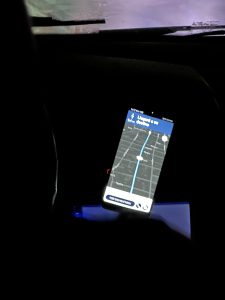
La Nave
I highly recommend the Cuban version of Uber, a ride-hailing service that connects drivers and passengers La Nave! Be sure to download it before you arrive in Cuba as the App Store is blocked and you’d only be successful if you’re using a VPN. I hadn’t remembered this but luckily my Airbnb host gave me a local phone so I downloaded it there and Nave-ed all over the place!
The rates are really good! A 20 min drive with little traffic costed around 1100pesos which would have been 7usd with the exchange rate at the time. Compared to the taxis that I took in Cuba, it’s a very good option – that may have costed $15-20US with an official taxi.
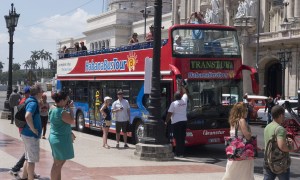
Havana Bus Tours
You can see Havana from a very affordable perspective (like 5USD kind of affordable)! Both locals and tourists use this service as there are three convenient routes that meet at major landmarks across Havana – Plaza de la Revolución (Revolution Square) and Parque Central (Central Park). Once you get a ticket for a route on a day, it works as a hop-on, hop-off as the ticket is valid for the day. My favourite route was the one to the Playas del Este (Eastern beaches). For more details on all the tours offered, check out the Transtur website here!

Classic cars & private taxis
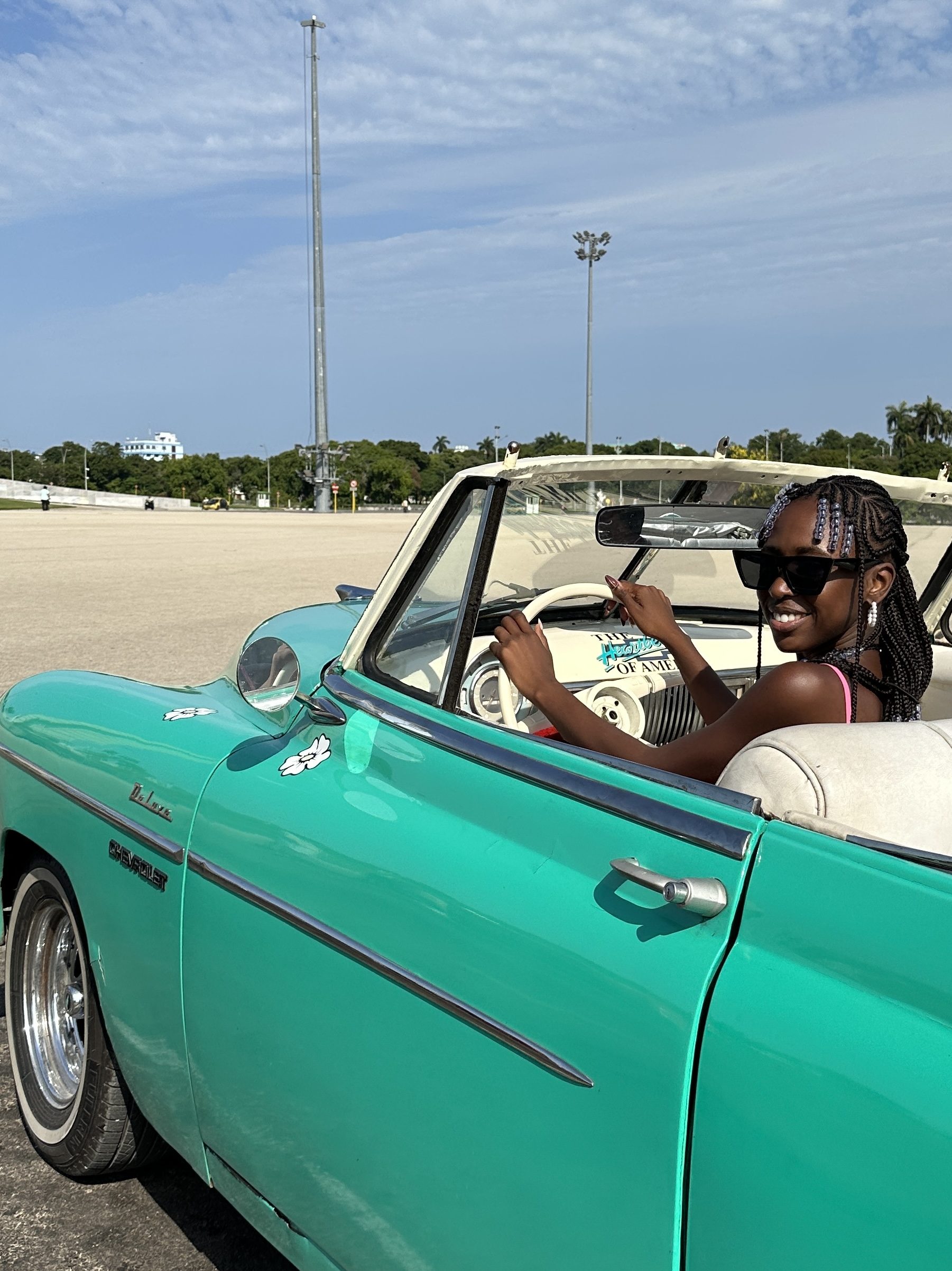
Classic cars and modern car are used as taxis and for tours! Of course, Cuba is known for its well-maintained, colourful and beautiful 1950s classic cars. Before you start your journey, you want to ensure the driver and yourself come to an agreement on price as the taxis aren’t metered. The tours have standard pricing but a taxi fare could depend on your negotiating ability.
Car rental
We can’t take the classic cars out for a spin because if anything goes wrong, replacement parts are tough to get! So visitors tend not to drive those cars (and that’s fair) and apparently a special Government license is needed to drive the classic cars (according to a Cuban website). However there are newer model cars that you can rent (for example here). I wouldn’t really recommend this option for visitors especially if you are not familiar with navigating this country and there are a lot of other great transportation options.
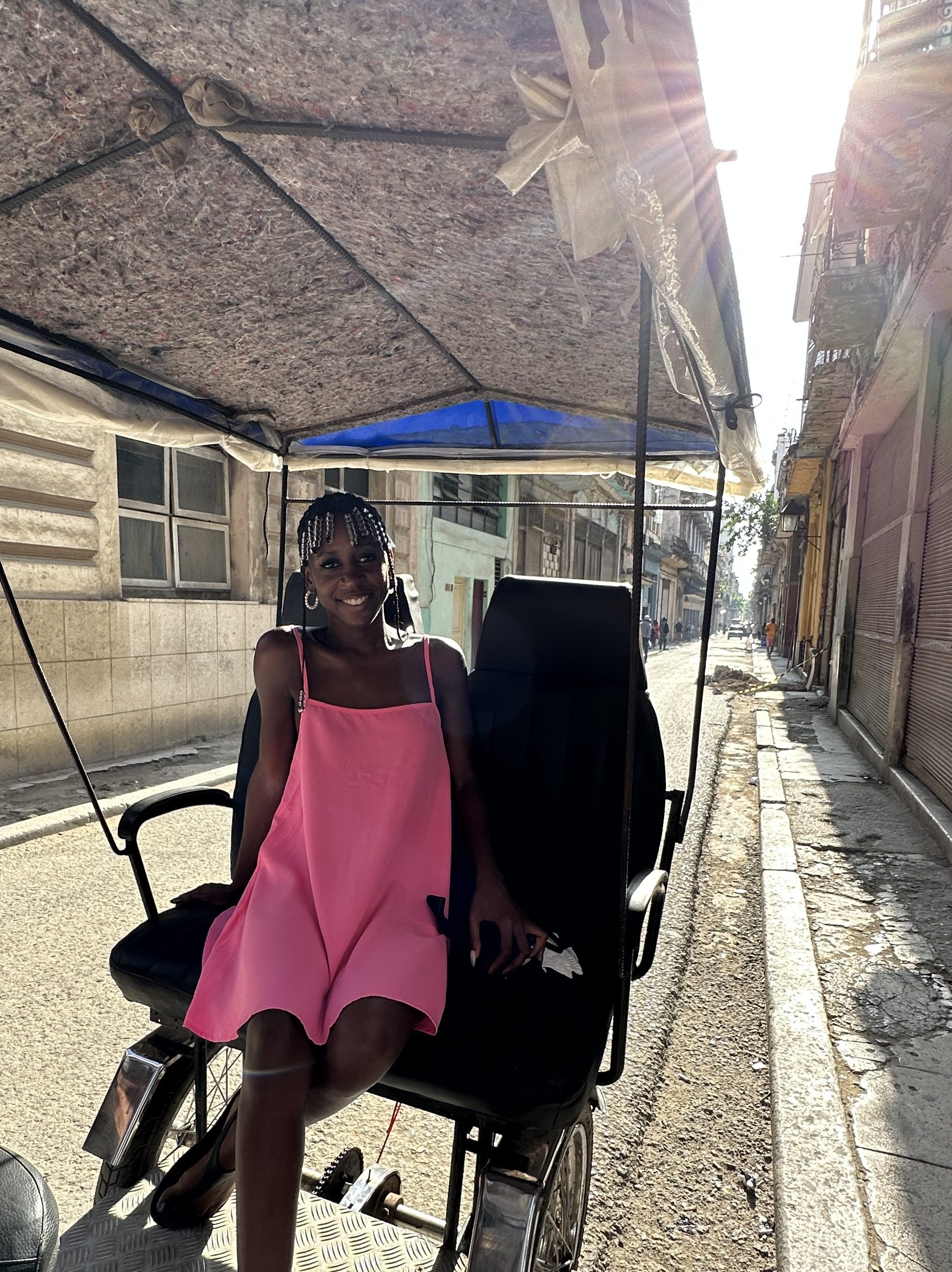
Bicletas
These are manual rickshaws – bicycles with two shaded passenger seats. Anyone you see pedaling with an empty seat, you can flag them down. Most times, they’re waiting around main streets and you can approach them and let them know your destination. It’s important to agree upon the price before you hop in to avoid any conflict based on different expectations of the final price!
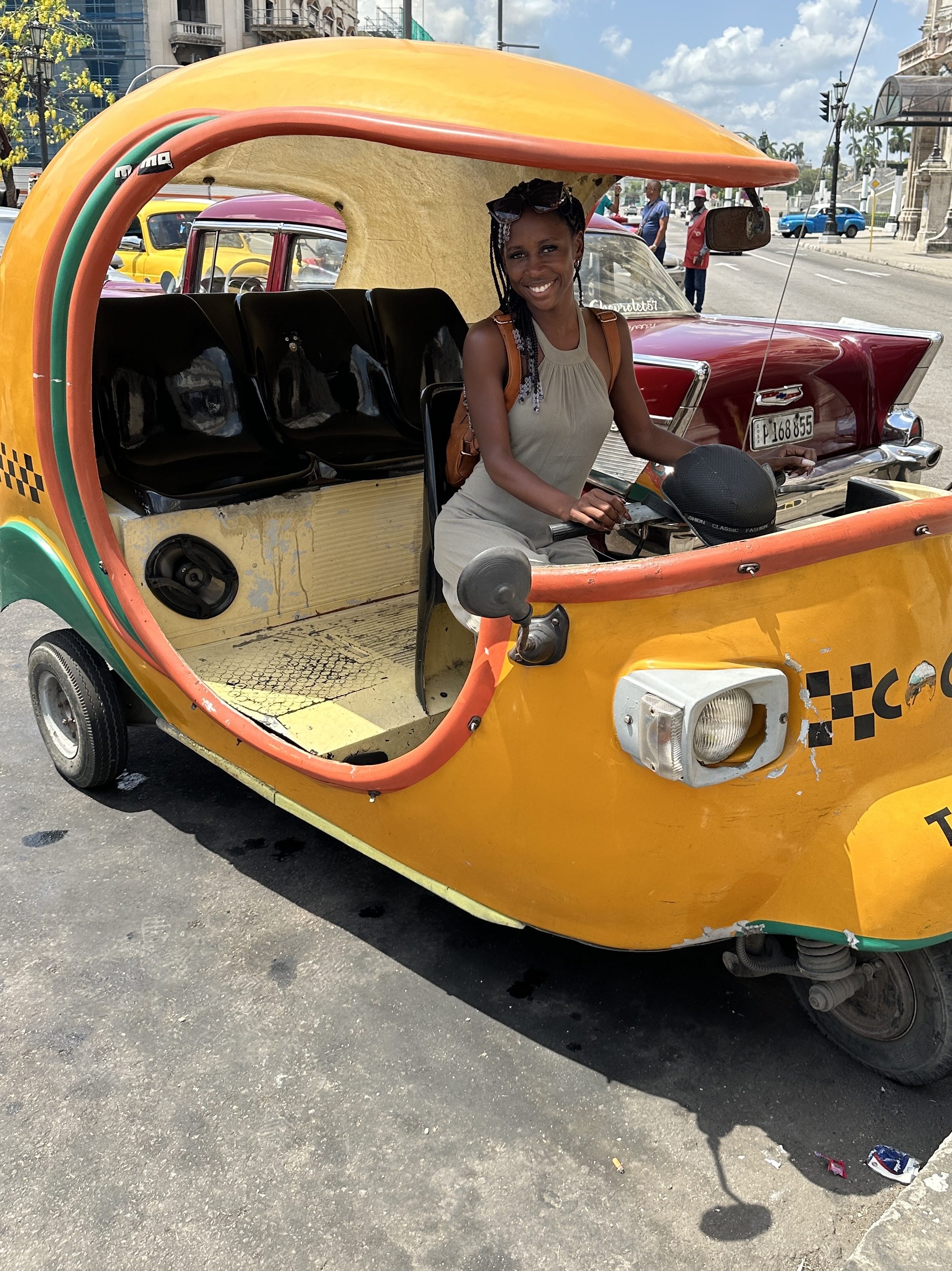
Tuk Tuks
Basically it’s a yellow auto-powered rickshaw cab. It is typically more expensive than the bicletas because it uses petrol but would be cheaper than a private taxi. Because it’s powered, they can drive for longer distances than the bicletas and go faster. Once again agree on that price before you leave!
Other modes of travel include flights between major towns across the biggest island in the Caribbean, colectivos (shared taxis) which are much easier to navigate when you can speak Spanish, horse-drawn carriages and of course, public buses – the metro bus map is laid out here.
General tips
As with any country you’re going to, learn at minimum the basics of the language. Sometimes the people you may interact with are not strong in English and you’d need to communicate! Learn simple directions and basic things like the baño, where to get things to eat etc.
You also want to ensure you have enough cash in Cuban pesos to move about. I supported a lot of the everyday Cuban people and as a result had to use cash a lot. The La Nave app used pesos and the exchange rate can really fluctuate based on who you speak to, I got mine from my Airbnb host and used pesos everywhere I went.
In closing, I loved Havana and it’s super easy to get around. All that’s needed is some pesos, some energy to walk a bit and a curiosity to learn about the space you’re in! Have you been to Cuba? What are some other modes of transport I’ve missed out?




 islandtingtt.com
Leave a comment